


.jpg)


.png)


Tooth loss—whether partial or complete—can deeply affect quality of life, confidence, and overall health. For individuals struggling with multiple missing teeth or uncomfortable dentures, All-on-Four dental implants have emerged as one of the most advanced and reliable full-arch restoration solutions in modern dentistry.
This innovative treatment concept allows patients to replace an entire upper or lower set of teeth using only four strategically placed dental implants, supporting a fixed, non-removable prosthetic arch. But while All-on-Four implants offer life-changing results, they are not a one-size-fits-all solution.
Understanding who is a good candidate for All-on-Four dental implants is essential for achieving long-term success, comfort, and satisfaction.
In this in-depth guide, we explore:
- Who qualifies for All-on-Four treatment
- Medical, dental, and lifestyle factors that matter
- Who may need alternative solutions
- How candidacy is evaluated using modern digital dentistry
What Are All-on-Four Dental Implants? (Quick Overview)
(H2 – Foundational keyword section)
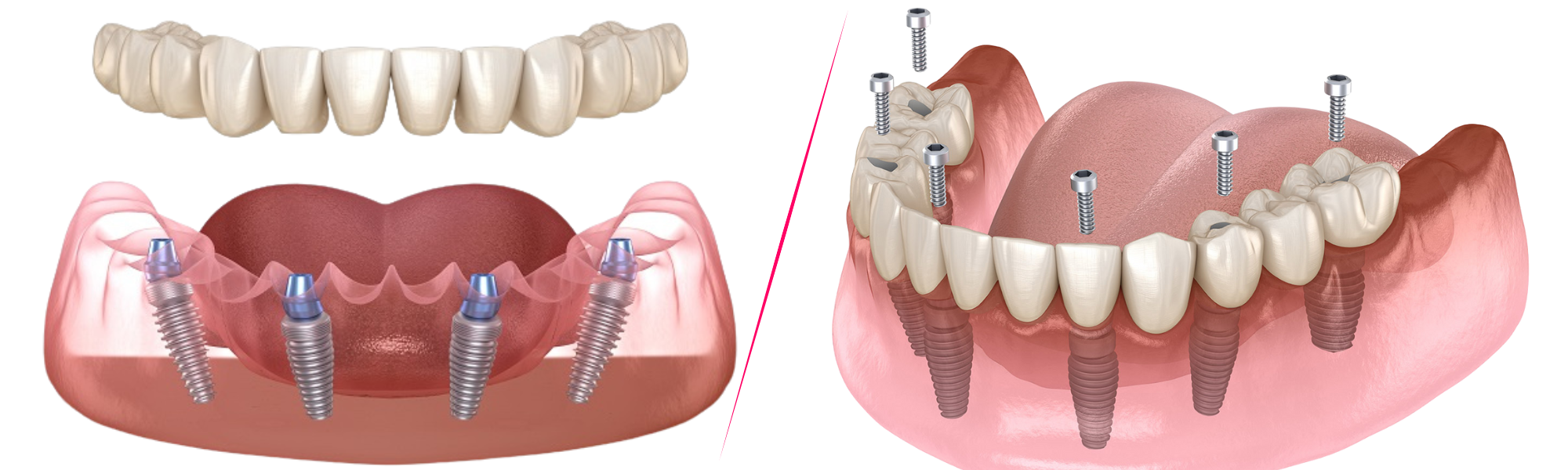
The All-on-Four dental implant system is a full-arch restoration technique designed to replace 10–14 missing teeth using only four titanium implants per arch.
Two implants are placed vertically in the front of the jaw, while the two posterior implants are angled strategically to maximize existing bone and eliminate the need for bone grafting in many cases.
Key Features of All-on-Four:
- Fixed, non-removable prosthetic teeth
- Immediate function in many cases (teeth in a day concept)
- Reduced surgery time and faster recovery
- Natural aesthetics and strong bite force
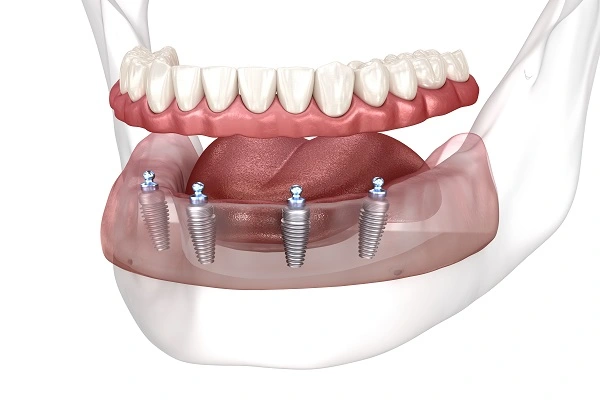
🔗 Many patients also ask about safety standards. Learn more in our detailed guide: Is Dental Treatment in Turkey Safe for International Patients?
1. Individuals with Extensive Tooth Loss
The ideal candidates for All-on-Four dental implants are individuals who have lost a significant number of teeth, whether in one or both jaws. This may be due to factors such as:
- Gum Disease: Severe periodontal disease can lead to tooth loss and deterioration of the jawbone.
- Decay or Trauma: Teeth that are severely decayed or damaged beyond repair may need to be replaced.
- Long-Term Denture Wearers: Those who have been using dentures and are unhappy with their fit or function often find All-on-Four implants a more stable and comfortable alternative.
At Dose Group, our specialists evaluate each patient’s unique dental history to determine the best course of action.
2. Adequate Bone Structure Despite Bone Loss
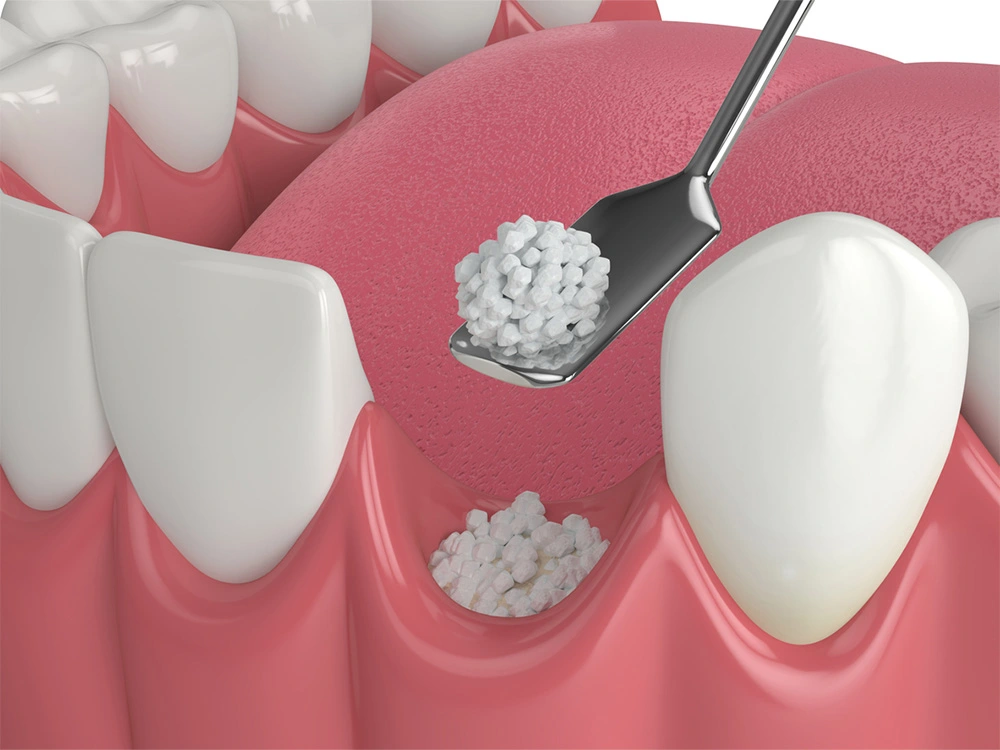
One of the key advantages of All-on-Four implants is that they can often be placed without the need for bone grafting. This is particularly beneficial for patients who have experienced bone loss, a common issue for those who have been without teeth for an extended period. However, some level of healthy jawbone is still necessary to anchor the implants securely.
Our team at Dose Group uses advanced imaging techniques to assess bone quality and density, ensuring that the implants will have a solid foundation. Even if you've been told you're not a candidate for traditional implants, All-on-Four might still be an option for you.
3. Good Oral and Overall Health
While All-on-Four implants are suitable for many people, candidates should generally be in good health. Certain conditions can affect the success of the implants, such as:
- Uncontrolled Diabetes: This can interfere with healing and increase the risk of complications.
- Autoimmune Disorders: Conditions that affect the immune system might impact the body’s ability to integrate the implants.
- Chronic Conditions: Other chronic illnesses, such as heart disease or osteoporosis, may also need to be carefully managed.
At Dose Group, we take a comprehensive approach, working closely with you to assess any health concerns and develop a treatment plan that minimizes risks.
4. Commitment to Oral Hygiene
Maintaining good oral hygiene is essential for the long-term success of All-on-Four implants. Ideal candidates are those who are committed to:
- Regular Brushing and Flossing: Keeping your mouth clean is critical to preventing infections around the implants.
- Routine Dental Visits: Regular check-ups at Dose Group will help monitor the health of your implants and surrounding tissues.
- Lifestyle Adjustments: For instance, reducing sugar intake and quitting smoking are important steps to protect your new smile.
Our team provides detailed aftercare instructions to ensure your implants remain in excellent condition for years to come.
5. Non-Smokers or Those Willing to Quit
Smoking is one of the biggest risk factors for implant failure. The chemicals in tobacco can interfere with the healing process and increase the risk of infection. While smokers can still be candidates for All-on-Four implants, it is highly recommended that they quit smoking before the procedure and avoid it during the recovery period.
At Dose Group, we offer support and guidance to help you make the necessary lifestyle changes to ensure the best possible outcome.
6. Seeking a Permanent and Stable Solution
All-on-Four dental implants are designed to provide a permanent solution to tooth loss. Unlike traditional dentures, which can slip and cause discomfort, All-on-Four implants are fixed securely in place, allowing you to eat, speak, and smile with confidence.
Candidates who are looking for a long-term solution that feels and functions like natural teeth will find All-on-Four implants to be an excellent choice.
7. Realistic Expectations and Commitment to Follow-Up Care
Understanding the process, including the surgery, healing time, and potential outcomes, is crucial. Candidates should have realistic expectations about what the procedure can achieve and be committed to the necessary follow-up care.
At Dose Group, we provide a clear and comprehensive overview of the entire treatment process, ensuring that you are well-informed and prepared for each step.

Who May Not Be an Ideal Candidate for All-on-Four?
Although highly versatile, All-on-Four may not be suitable for everyone.
Potential limitations include:
- Severe uncontrolled systemic diseases
- Active cancer treatment affecting bone healing
- Heavy smoking without willingness to quit
- Extremely low bone volume (rare cases)
In such situations, alternatives like All-on-6 implants, zygoma implants, or staged treatments may be recommended.
🔗 All-on-4 vs All-on-6 Dental Implants: Which Is Right for You?
How Candidacy Is Evaluated: Step-by-Step
A thorough evaluation is essential before confirming All-on-Four treatment.
1. 3D CBCT Imaging
- Measures bone density and volume
- Identifies nerve and sinus positions
2. Digital Smile Design
- Plans tooth shape, size, and aesthetics
3. Medical & Dental History Review
- Evaluates systemic conditions and medications
Benefits of Being a Suitable All-on-Four Candidate
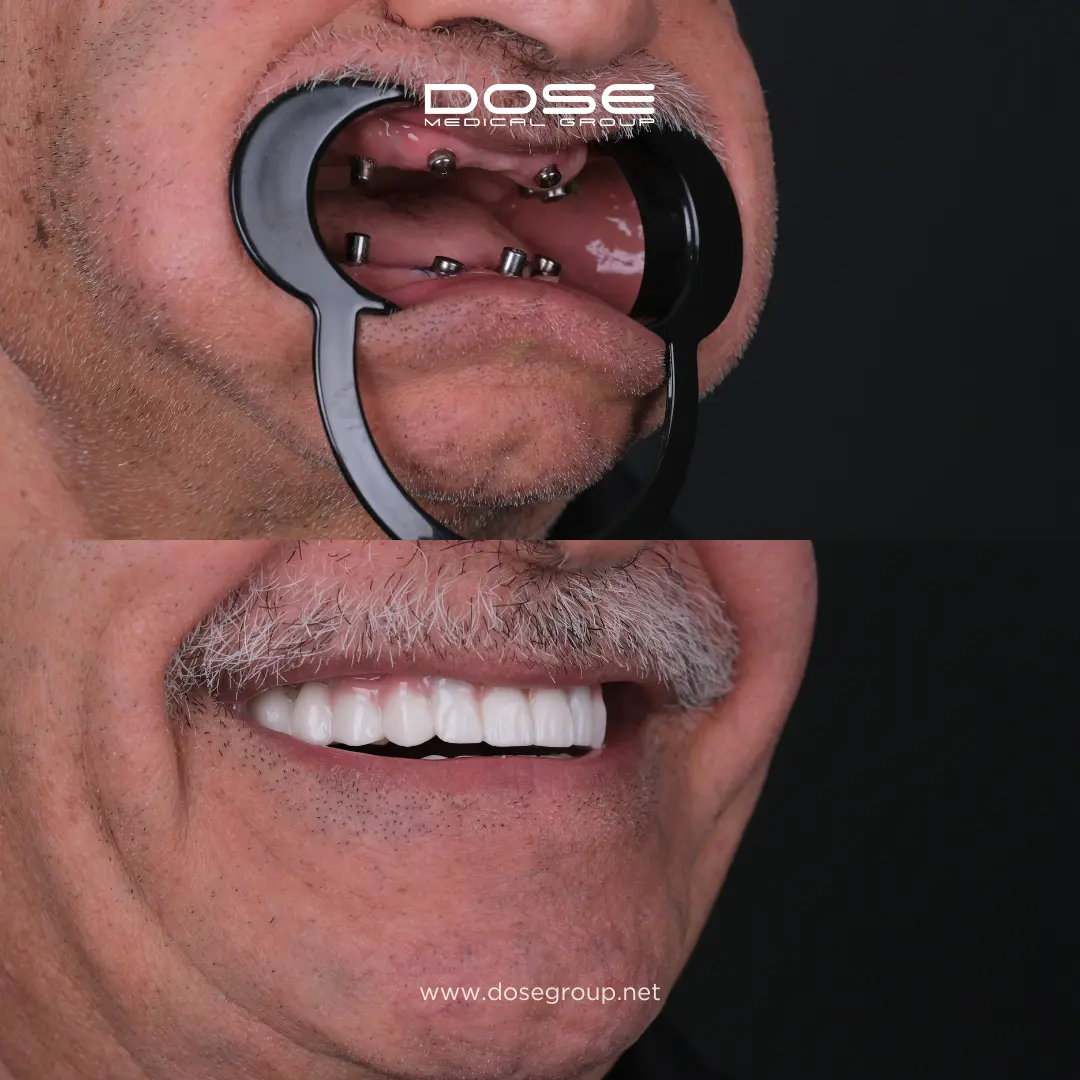
Patients who qualify for All-on-Four enjoy:
- Immediate functional teeth (in many cases)
- Shorter treatment timelines
- Fewer surgical procedures
- Predictable, high success rates
- Natural-looking, confident smiles
All-on-Four Success Rates and Longevity
Clinical studies show success rates exceeding 95% when:
- Proper case selection is done
- High-quality materials are used
- Patients follow post-treatment care guidelines
This makes All-on-Four one of the most reliable full-arch solutions available today.
Why Choose Dose Group in Istanbul for All-on-Four Dental Implants?
Istanbul is renowned for its high-quality, affordable dental care, and Dose Group stands out as a leading provider in the region. Here’s why:
- Expertise and Experience: Our dental professionals have extensive experience with All-on-Four implants, ensuring that you receive the best care possible.
- State-of-the-Art Technology: We use the latest technology to plan and execute your treatment, maximizing the success of the procedure.
- Personalized Care: At Dose Group, we tailor each treatment plan to meet your specific needs and goals, providing you with a customized approach to dental care.
- Comprehensive Support: From the initial consultation to post-operative care, we are with you every step of the way, ensuring a smooth and successful experience.
If you’re considering All-on-Four dental implants, there’s no better place than Dose Group in Istanbul. Contact us today to schedule your consultation and take the first step toward restoring your smile with confidence.
Is All-on-Four Right for You?
If you are missing most or all of your teeth, struggling with dentures, or seeking a permanent, natural-looking, and functional solution, All-on-Four dental implants may be the right choice—pending clinical suitability.
A personalized evaluation using advanced digital diagnostics is essential to confirm candidacy and ensure long-term success.
👉 Discover whether All-on-Four is right for you and explore your treatment options.

Frequently Asked Questions (FAQ)
Is age a limitation for All-on-Four implants?
No. Health condition matters more than age.
Can I get All-on-Four with bone loss?
Yes, many patients with bone loss are ideal candidates.
Is the procedure painful?
Most patients report minimal discomfort with modern anesthesia and sedation.
References
- Moraru, M. C., Buzduga, C. M., Gurzu, I. L., Mereuta, V. D., Ciurcanu, O. E., Balan, M., & Al Hage, E. (2024). THE ADVANTAGE OF THE ALL-ON-SIX AND ALL-ON-EIGHT TECHNIQUE COMPARED TO THE ALL-ON-FOUR TECHNIQUE. Romanian Journal of Oral Rehabilitation, 16(1).
- Mumcu, E., Dayan, S. C., Genceli, E., & Geckili, O. (2020). Comparison of four-implant-retained overdentures and implant-supported fixed prostheses using the All-on-4 concept in the maxilla in terms of patient …. Quintessence Int.
- Zhao, R., Yang, R., Cooper, P. R., Khurshid, Z., Shavandi, A., & Ratnayake, J. (2021). Bone grafts and substitutes in dentistry: A review of current trends and developments. Molecules, 26(10), 3007.
- Mourad, K. E., Rashed, N. H. A. H., Altonbary, G. Y., & Fattah Hegazy, S. A. (2024). Five years of radiographic evaluation for the peri-implant bone changes of all-on-four implant prostheses constructed from different framework materials using different digital construction techniques. BMC Oral Health, 24(1), 910.




.png)


