


.png)


Choosing the Right Smile Enhancement Solution
In modern cosmetic dentistry, veneers and crowns are among the most popular solutions for transforming smiles. Both treatments can dramatically improve the appearance, strength, and function of teeth — yet they serve very different purposes and are recommended under different clinical conditions.
For international patients considering dental treatment abroad, especially in destinations like Turkey, understanding the difference between veneers and crowns is essential for making an informed, long-term decision. While both options offer exceptional aesthetic results when performed correctly, choosing the wrong treatment can lead to unnecessary tooth reduction, higher costs, or compromised longevity.
This in-depth guide explores veneers vs. crowns from every angle — aesthetics, durability, invasiveness, cost, longevity, and suitability — helping you determine which option best aligns with your dental needs and smile goals.
What Are Dental Veneers?
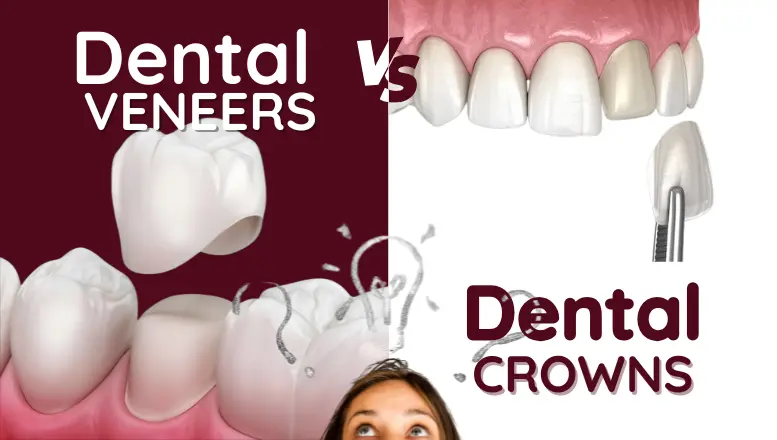
Dental veneers are ultra-thin, custom-crafted shells designed to cover the front surface of natural teeth in order to enhance their appearance while maintaining maximum preservation of the original tooth structure. They are considered one of the most refined solutions in modern cosmetic dentistry, offering a balance between aesthetic transformation and conservative treatment.
Typically fabricated from high-quality porcelain, advanced ceramics, or composite resin, dental veneers are meticulously bonded to the enamel using strong dental adhesives. The result is a natural-looking, durable, and highly aesthetic smile that blends seamlessly with the surrounding teeth.
Unlike crowns, which encapsulate the entire tooth, veneers focus solely on the visible portion, making them a minimally invasive option for patients seeking cosmetic improvement without extensive tooth reduction.
The Purpose of Dental Veneers
Dental veneers are primarily designed to enhance the visual harmony of the smile, making them especially popular among patients seeking a Hollywood Smile or full smile makeover.
They are commonly used to correct:
- Tooth discoloration resistant to whitening, including intrinsic stains caused by medication, trauma, or aging
- Minor misalignment or irregular positioning, eliminating the need for orthodontic treatment in mild cases
- Uneven spacing or small gaps between teeth
- Chips, cracks, or worn edges caused by grinding or everyday wear
- Irregular tooth shape or size, creating symmetry and balance across the smile line
By addressing multiple aesthetic concerns at once, dental veneers provide a comprehensive cosmetic solution with immediate visual impact.
How Dental Veneers Work
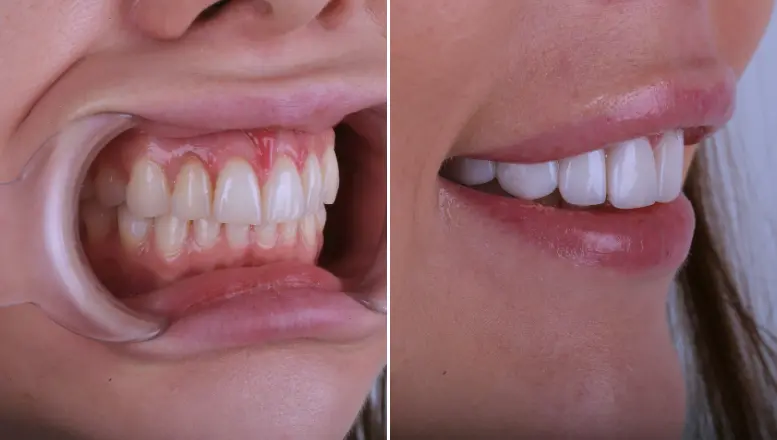
The veneer process begins with a detailed smile analysis, often supported by digital smile design (DSD) technology. This allows both the patient and dental team to visualize the final result before treatment begins.
Once the design is approved, a minimal amount of enamel (often less than 0.5 mm) may be gently reshaped to ensure proper fit and adhesion. In some cases, especially with no-prep or ultra-thin veneers, enamel reduction may be unnecessary.
The veneers are then bonded to the teeth using advanced resin cements and light-curing techniques, creating a secure and long-lasting bond that mimics the translucency and texture of natural enamel.
Types of Dental Veneers
Choosing the right type of veneer depends on aesthetic expectations, budget, and long-term goals. The most common options include:
1. Porcelain Veneers
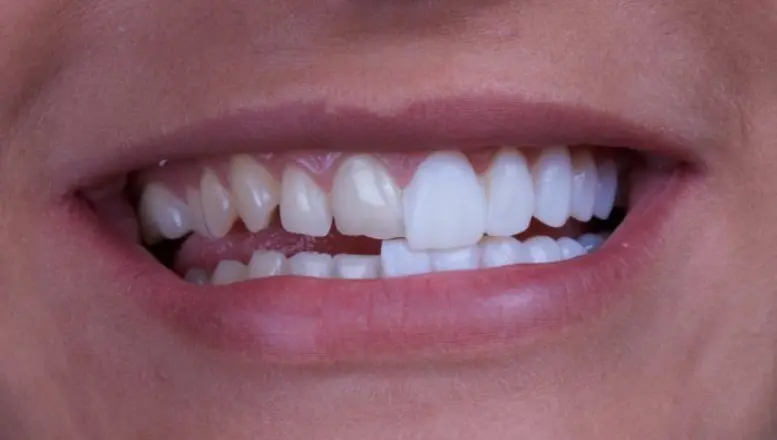
Porcelain veneers are the gold standard in cosmetic dentistry. They are known for their exceptional durability, stain resistance, and natural appearance.
Key Advantages:
- Lifespan of 10–15 years or more with proper care
- Highly resistant to coffee, tea, and smoking stains
- Natural light reflection similar to real teeth
2. E-Max Veneers (Lithium Disilicate)
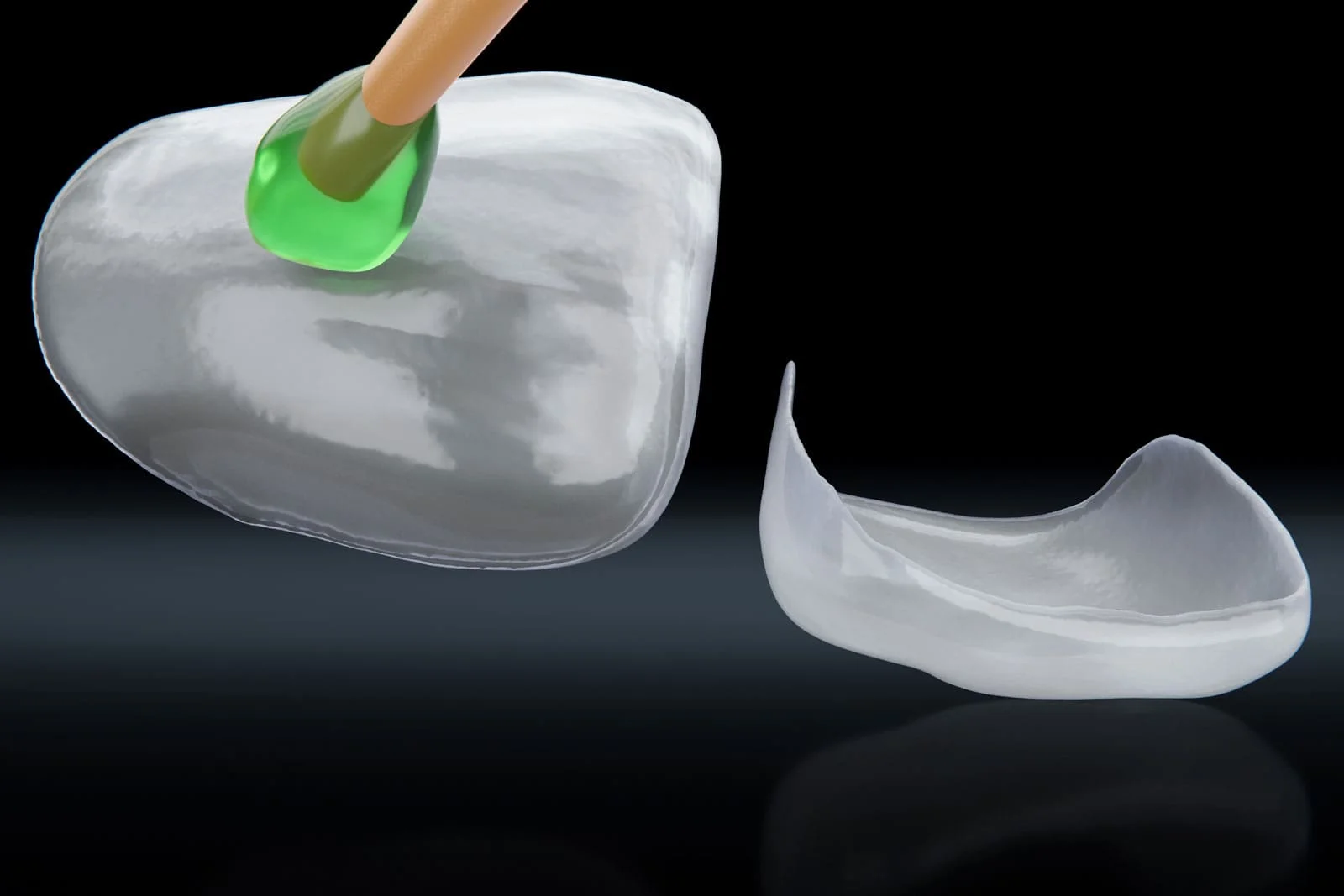
E-Max veneers represent a premium category of porcelain veneers. Made from lithium disilicate ceramic, they offer superior translucency and strength, making them ideal for patients seeking the most natural and luxurious results.
Key Advantages:
- Exceptional aesthetics for front teeth
- Strong yet ultra-thin structure
- Ideal for full smile makeovers
3. Composite Veneers
Composite veneers are crafted from tooth-colored resin and are typically applied directly to the tooth in a single visit.
Key Advantages:
- More affordable option
- Minimal or no enamel removal
- Easily repairable
Limitations:
- Shorter lifespan compared to porcelain
- More prone to staining over time
Composite veneers are often recommended for patients seeking a temporary or budget-friendly aesthetic solution.
Advantages of Dental Veneers
Dental veneers offer numerous benefits, particularly for patients prioritizing appearance and efficiency:
- Minimally invasive compared to crowns
- Immediate aesthetic transformation
- Custom color, shape, and size selection
- Natural-looking results with enhanced confidence
- Long-term solution when properly maintained
→ Hollywood Smile in Turkey — Procedure, Prices & Best Techniques (2025 Guide)
Who Is an Ideal Candidate for Dental Veneers?
Dental veneers are best suited for patients who:
- Have healthy teeth and gums
- Are primarily concerned with cosmetic improvements
- Do not suffer from severe bruxism (unless managed)
- Desire a long-lasting yet conservative treatment
A professional consultation and detailed oral examination are essential to determine candidacy.
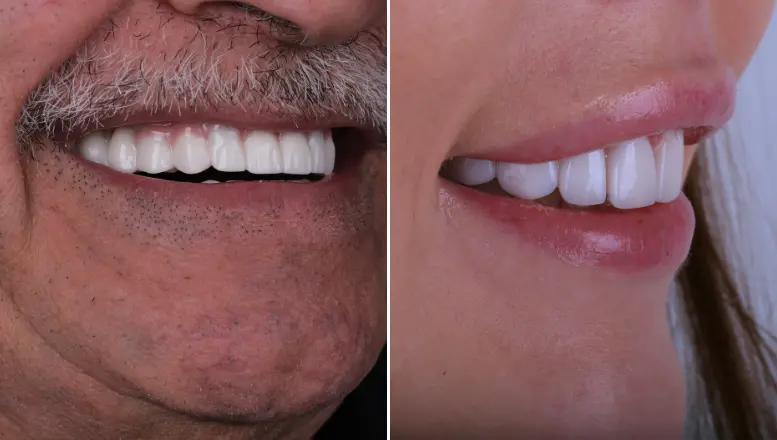
What Are Dental Crowns?
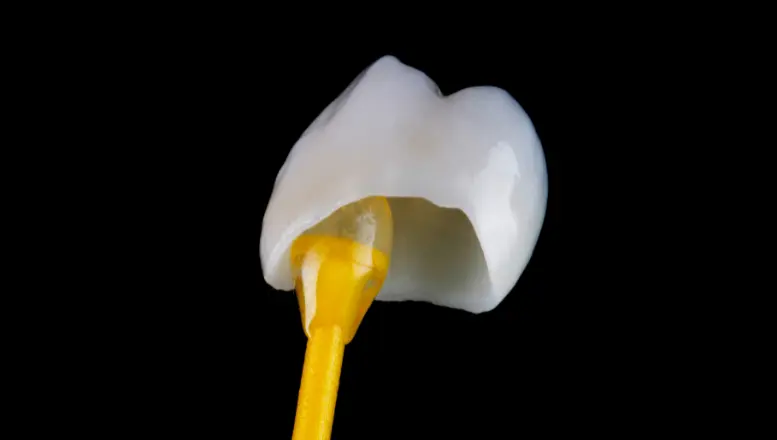
Dental crowns — commonly known as tooth crowns or dental caps — are fixed dental restorations designed to fully encase a damaged or weakened tooth, restoring its original shape, size, strength, and appearance. Unlike partial restorations that cover only one surface of a tooth, a crown provides 360-degree protection, acting as a protective shield that reinforces the tooth structure while delivering a natural, aesthetically pleasing result.
Dental crowns play a dual role in modern dentistry:
they are both restorative (medical) and aesthetic (cosmetic) solutions. While veneers are primarily used to enhance the visible front surface of teeth, crowns are often clinically necessary to preserve oral health and prevent further damage or tooth loss.
When Are Dental Crowns Medically Necessary?
Dentists typically recommend dental crowns when a tooth can no longer function safely on its own. Common clinical indications include:
- Severely decayed teeth where large cavities compromise structural integrity
- Cracked, chipped, or fractured teeth caused by trauma or excessive biting force
- Structurally weak teeth due to enamel erosion or long-term wear
- Teeth that have undergone root canal treatment, which become brittle over time
- Heavily filled teeth where existing fillings no longer provide adequate support
- Teeth supporting a dental bridge, requiring reinforcement for long-term stability
In these cases, a crown does not simply improve appearance — it prevents tooth loss, restores chewing efficiency, and protects the underlying tooth from further decay or fracture.
How Dental Crowns Restore Function and Aesthetics
A professionally designed dental crown:
- Restores full chewing strength, allowing patients to eat comfortably
- Protects the remaining tooth structure from bacteria and external forces
- Reestablishes proper bite alignment, preventing jaw pain or uneven wear
- Improves tooth color, shape, and symmetry, especially in visible areas
- Blends seamlessly with surrounding teeth, creating a natural smile
Thanks to advancements in digital dentistry, modern crowns are custom-designed using 3D imaging, CAD/CAM technology, and precise color matching, ensuring exceptional accuracy and long-term comfort.
Types of Dental Crowns
Choosing the right crown material depends on the tooth’s location, functional demands, and aesthetic expectations. Below are the most commonly used types of dental crowns today:
Zirconia Crowns
(Highly recommended for strength and durability)
Zirconia crowns are made from zirconium dioxide, a metal-free ceramic material known for its exceptional strength and biocompatibility.
Key advantages:
- Extremely durable and resistant to fractures
- Ideal for back teeth (molars) where chewing forces are highest
- Metal-free and hypoallergenic
- Long lifespan (often 15–20+ years with proper care)
- Minimal tooth reduction compared to traditional crowns
Zirconia crowns are increasingly popular among patients seeking long-lasting, premium dental solutions that combine strength with acceptable aesthetics.
E-Max Crowns
(Best choice for front teeth and smile aesthetics)
E-Max crowns are crafted from lithium disilicate ceramic, offering superior translucency and color depth.
Key advantages:
- Exceptional natural appearance
- Excellent light reflection, similar to natural enamel
- Ideal for front teeth and cosmetic smile enhancements
- Metal-free and highly aesthetic
While E-Max crowns are slightly less strong than zirconia, they are perfect when aesthetics are the top priority.
Porcelain-Fused-to-Metal (PFM) Crowns
(Traditional option with limitations)
PFM crowns consist of a metal core covered with porcelain.
Key characteristics:
- Good strength and moderate durability
- More affordable in some cases
- Less aesthetic due to possible gray lines near the gums
- Risk of porcelain chipping over time
Due to advancements in all-ceramic materials, PFM crowns are now less commonly chosen for cosmetic dentistry.
Dental Crowns vs. Veneers — A Key Distinction
While veneers only cover the front surface of the tooth, dental crowns encapsulate the entire tooth structure. This makes crowns the preferred option when structural integrity is compromised, rather than purely cosmetic concerns.
Crowns = structural reinforcement + aesthetics
Veneers = aesthetic enhancement only
Understanding this difference is crucial for patients seeking long-term oral health solutions.
Longevity and Maintenance of Dental Crowns
With proper oral hygiene and regular dental checkups, dental crowns can last 10–20 years or longer. Longevity depends on:
- Crown material (zirconia and E-Max last longer)
- Bite forces and habits (e.g., teeth grinding)
- Daily oral hygiene routines
- Professional placement and design accuracy
Routine brushing, flossing, and periodic dental visits help ensure crowns remain functional and beautiful for many years.
Cost and Durability of Veneers in Turkey (2025 Guide)
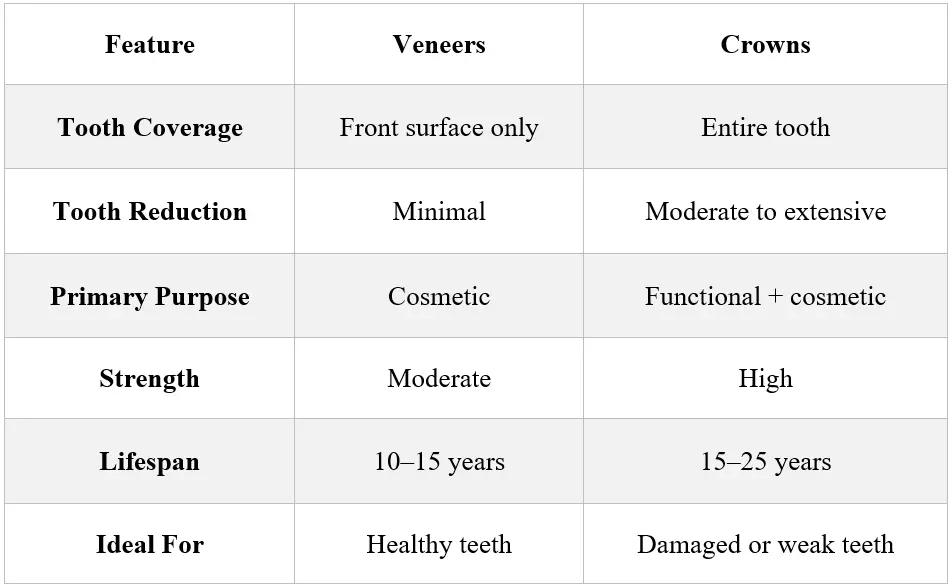
Veneers vs. Crowns: Key Differences at a Glance
This comparison highlights the essential differences between veneers and crowns in terms of tooth coverage, durability, purpose, and longevity—helping patients quickly understand which option best suits their dental condition and aesthetic goals.
Pros and Cons of Dental Veneers
✅ Advantages of Veneers
- Preserve natural tooth structure
- Exceptional aesthetic results
- Stain-resistant materials
- Short treatment time
- Ideal for smile makeovers
⚠️ Disadvantages of Veneers
- Not suitable for damaged teeth
- Can chip under excessive force
- Irreversible procedure
- Not ideal for bruxism patients without protection
Pros and Cons of Dental Crowns
✅ Advantages of Crowns
- Restore tooth strength
- Protect damaged teeth
- Long lifespan
- Suitable for severe cases
- Can support bridges or implants
⚠️ Disadvantages of Crowns
- More tooth reduction required
- Longer procedure
- Higher cost in some materials
- Less conservative than veneers
Which Is Better for Aesthetics?
When it comes to pure aesthetics, veneers are often preferred for front teeth due to their translucency and minimal invasiveness. However, modern crowns — particularly E-Max and zirconia crowns — can achieve equally stunning results when designed digitally and placed correctly.
The deciding factor is not appearance alone, but tooth condition.
“Your smile design should be based on medical evaluation — not trend-based decisions.”
Longevity and Maintenance
- Veneers typically last 10–15 years with proper care
- Crowns can last 15–25 years or more
Both require:
- Excellent oral hygiene
- Night guards for bruxism
- Regular dental checkups
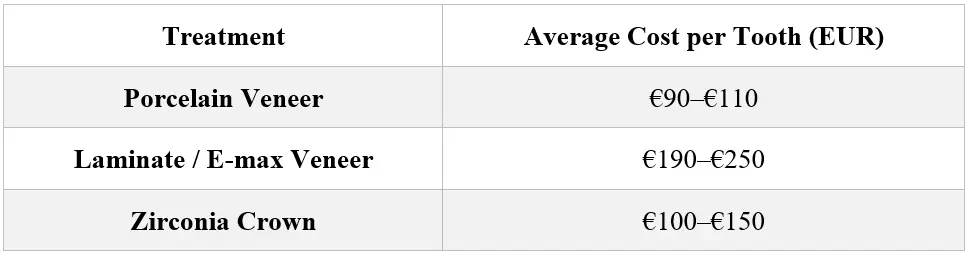
Cost Comparison: Veneers vs. Crowns in Turkey
Who Is the Ideal Candidate for Veneers?
- Healthy enamel
- Cosmetic concerns only
- No major bite issues
Who Needs Crowns Instead?
- Weak or broken teeth
- Root canal-treated teeth
- Large restorations
Veneers and Crowns for International Patients
For patients traveling from the UK, Germany, France, Italy, Spain, or the US, veneers and crowns are commonly included in smile makeover treatment plans, often completed within 5–7 days using advanced digital dentistry.
FAQs: Veneers vs. Crowns
Are veneers safer than crowns?
Both are safe when performed in licensed medical institutions by experienced dentists.
Can veneers be replaced with crowns later?
Yes, if tooth condition changes over time.
Do veneers damage teeth?
Minimal enamel removal is required, but the procedure is irreversible.
Final Thoughts: Veneers or Crowns — Which Should You Choose?
There is no one-size-fits-all answer. Veneers excel in cosmetic refinement, while crowns are essential for structural restoration. The best treatment plan is always based on clinical evaluation, digital diagnostics, and long-term oral health goals.
📌 All treatments and services will be carried out in health institutions accredited by the Turkish Ministry of Health and possessing a certificate of authorization in health tourism.
✨ Ready to Transform Your Smile?
Whether you’re considering veneers for a flawless Hollywood Smile or crowns to restore strength and confidence, expert guidance makes all the difference.
👉 Request a personalized online consultation
👉 Explore treatment options tailored to international patients
👉 Get a transparent treatment plan before you travel
Your journey to a confident, natural-looking smile in Turkey starts with the right information — and the right experts.
References
- American Dental Association. (2023). Dental crowns: Types, benefits, and longevity.
- American Dental Association. (2022). Veneers: What they are and how they work.
- Goodacre, C. J., Bernal, G., Rungcharassaeng, K., & Kan, J. Y. (2003). Clinical complications in fixed prosthodontics. The Journal of Prosthetic Dentistry, 90(1), 31–41.
- Guess, P. C., Schultheis, S., Wolkewitz, M., Zhang, Y., & Strub, J. R. (2010). Influence of preparation design and ceramic thicknesses on fracture resistance of zirconia crowns. Dental Materials, 26(7), 640–646.
- Conrad, H. J., Seong, W. J., & Pesun, I. J. (2007). Current ceramic materials and systems with clinical recommendations: A systematic review. Journal of Prosthetic Dentistry, 98(5), 389–404.
- Pjetursson, B. E., Sailer, I., Zwahlen, M., & Hämmerle, C. H. F. (2007). A systematic review of the survival and complication rates of all-ceramic and metal–ceramic reconstructions. Clinical Oral Implants Research, 18(Suppl. 3), 73–85.
- Layton, D. M., & Walton, T. R. (2012). An up to 16-year prospective study of porcelain veneers. International Journal of Prosthodontics, 25(1), 38–45.
- Kelly, J. R., & Benetti, P. (2011). Ceramic materials in dentistry: Historical evolution and current practice. Australian Dental Journal, 56(Suppl. 1), 84–96.
- Zarone, F., Ferrari, M., Mangano, F., Leone, R., & Sorrentino, R. (2016). Digitally oriented materials and techniques for fixed prosthodontics. Dental Materials, 32(3), 303–312.
- World Health Organization. (2022). Oral health fact sheet.
.png)
.png)



.png)


